What We Are Learning
Lessons learned from the field.
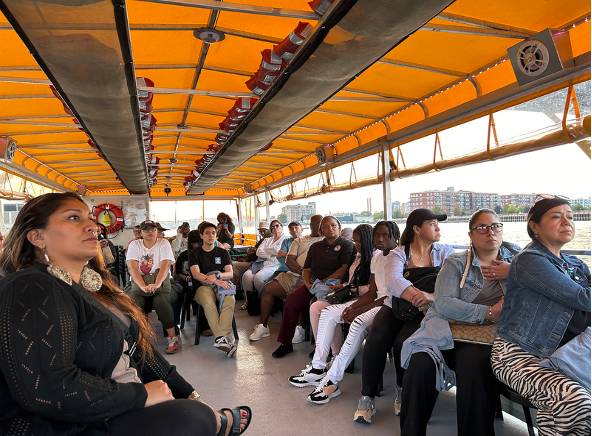
Since the CAC was rebooted, we have been testing different ways to increase awareness of the expansive work being designed and implemented under the AOC. We have joined project design meetings, partner organization meetings, public hearings, community open houses, and events; and we have held our own meetings, hikes, and boat tours. Last May, we launched a CAC Network to better keep in touch with everyone we are meeting and to supply regular updates on ways to get involved in the AOC work. We have also provided funding to community organizations to help them educate their stakeholders and members about how AOC work will impact them, and to seek out opportunities where these projects could provide added value for the community.
We have listened to a lot of people and community groups, and we want to share some of what we have learned. We share this information for transparency, but we also take this public feedback with us when we are meeting with project leads and workgroups, AOC leaders and potential partners. What we are learning is being shared and considered at different levels of planning and implementation of AOC work, and informing the discussions and work of the CAC.
-
Events should prioritize physical accessibility (considering space for wheelchairs, seating needs, noise levels), and actively work to increase racial diversity among participants, moving beyond the predominantly white attendance and participation observed at most AOC events.
-
Utilize a wider variety of outreach methods, such as neighborhood association newsletters, partnerships with "Friends of" park groups and other recreational user groups, signage installation in relevant locations (like fishing spots), and digital communication methods like text alerts or film festival ads, to broaden awareness beyond hyper-local networks.t goes here
-
Implement educational initiatives, particularly for K-12 students, to foster an "ethic of care" and build the network of future stewards of the waterways. This could include developing curriculum, partnering with nature centers and groups already doing education in our schools, sponsoring science fair awards or research, and/ or using hands-on learning tools.ext goes here
-
Integrate environmental justice considerations more explicitly, including evaluating potential biases in remediation site selection, developing culturally specific messaging for diverse communities (including potential climate migrants), and focusing on workforce development opportunities related to restoration efforts.
-
Address community desires for better physical access, including more ADA-accessible trails/features, more launch points for kayaks/canoes (considering affordability and transport), and ensuring greenways are physically accessible and welcoming for all communities.
What Concerns We Are Hearing
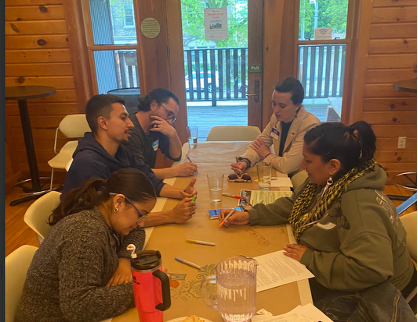
We always ask what concerns community members might have at events. Based on the extensive list of questions and concerns provided, here are the major themes that have emerged in recent years.
These themes show a deep community interest and engagement with AOC projects, moving from concerns over technical specifics related to design/engineering and safety concerns, to long-term environmental health, financial stability, community involvement, and equitable outcomes.
-
Significant focus on the Dredged Materials Management Facility (DMMF) – its construction (e.g., integrity of walls and bottom, sheet piling depth and height, etc.), potential for leaks/leaching (now and in the future), long-term stability and maintenance, resilience to climate change, capacity and life expectancy, end use (what happens after it's filled and capped), and whether it's the most environmentally sound long-term solution versus alternatives (like landfills). There is also concern about how water from dredging will be treated and cleaned before being discharged back to the lake.
-
Questions about the specific toxic materials (PCBs, PFAS, microplastics) being removed via dredging, how the level of contamination is defined for sediment removal, the mechanics of dredging (methods, depth, sequence of sections to be dredged), effectiveness (how much sediment will be removed vs. capped), managing contaminants that are suspended during dredging, and the location of infrastructure like pipes that will take sediments to the DMMF.
-
Concerns about whether the project is fully funded, the stability of funding (risk of running low, political changes that threaten funding), sources of funding, allocation of resources (is education included?), and ensuring this significant investment benefits the public and not just private interests.
-
Questions about the overall duration ("how long will it take?"), specific phase timelines (timeline of filling DMMF), project sequencing, necessary agency approvals, identification of project partners and subcontractors, and access to planning documents (Remedial Action Plans, RfPs).
-
Post-Remediation Monitoring and MaintenanceStrong interest in plans for ongoing monitoring of the DMMF and what happens with leachate from capped sites (especially PFAS), methods to ensure the rivers stay clean after the project, and measures to prevent future contamination by polluters.
-
Concerns about the project's impact on the natural environment, including tree removal as part of Greenway cleanup, short-term disruption of habitats during dredging and restoration activities, aesthetic changes, plans for ecological restoration and how it will be maintained, integration of climate change adaptation/extreme weather planning, and concern over potential nuisances like smells and mobilization of construction equipment.
-
Questions about how the project will affect public use of the waterways and adjacent areas during construction (recreational boaters, fishing community, property access, boat docks), and desires/priorities for enhancing recreational access and opportunities for the community over the long-term.
-
Significant interest in the role, structure, representativeness, and functioning of the CAC itself; methods for meaningful community input and involvement (particularly BIPOC communities); transparency and information sharing (website, events, presentations); educational outreach; addressing systemic injustice (JEDI); and ensuring tangible local benefits like job opportunities and workforce development/training as part of AOC efforts.